5 Signs You Need Local Water Restoration
In this blog, we will explore the various signs indicating a need for local water restoration. Understanding and identifying these signs early can help prevent further damage to your home or property. Whether you've experienced recent floods or unexpected leaks, being proactive is key to maintaining a safe and healthy environment. Not only can unchecked water damage lead to structural issues, but it also poses significant health risks. Prompt action can save homeowners both time and money, ensuring their living spaces remain safe from the detrimental effects of water damage.
1. Visible Water Damage
Peeling or Bubbling Paint
Peeling or bubbling paint is often one of the first visible indicators of water damage in your home. This occurs because excess moisture disrupts the adhesion between the paint and the wall surface. Over time, the weakened bond causes paint to peel away or bubble up. When you notice such irregularities, it's essential to investigate the underlying cause rather than just repainting the surface. Addressing the root of the problem with local water restoration services can prevent further structural damage and maintain aesthetic appeal.
Discolored Walls or Ceilings
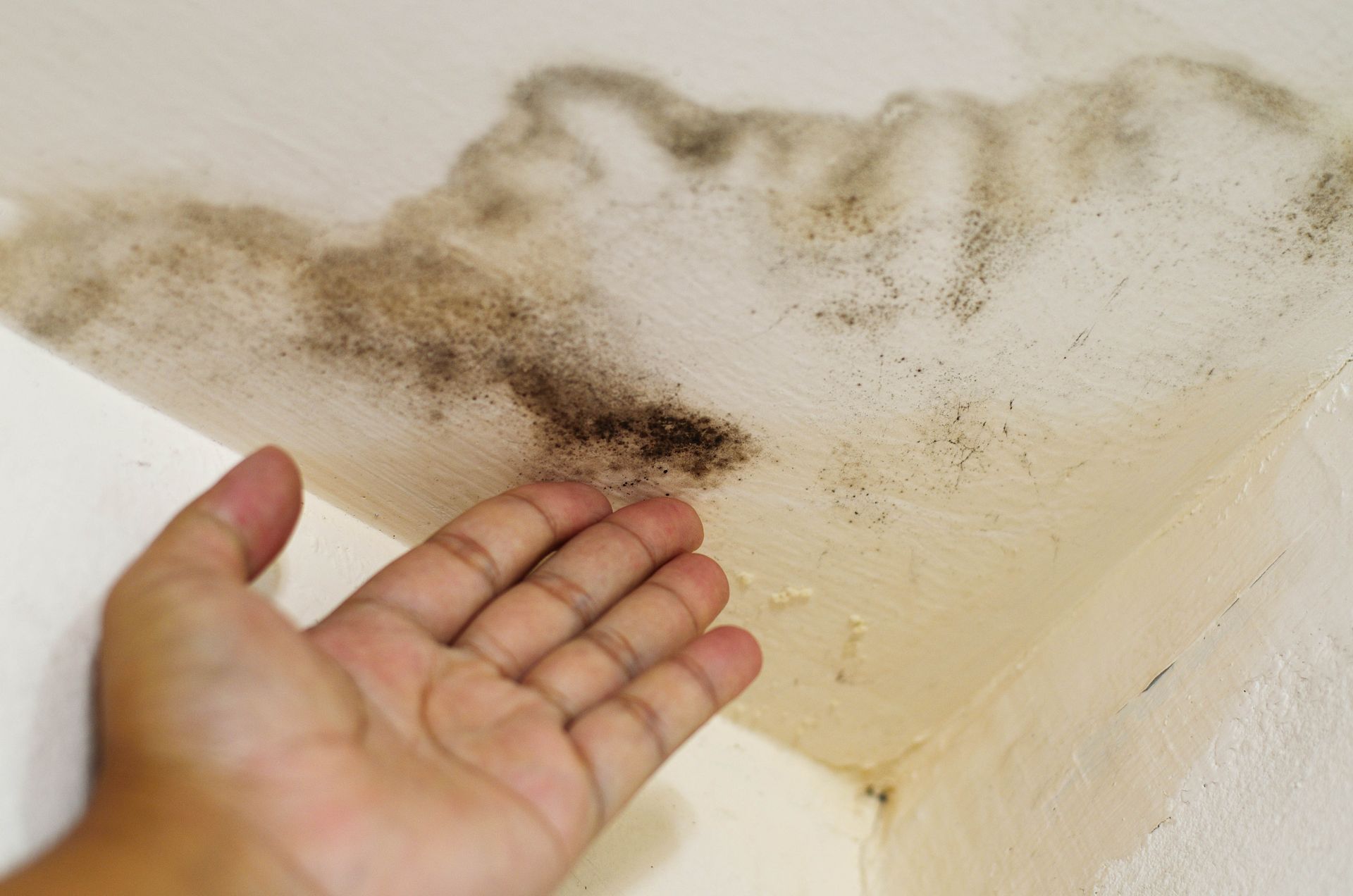
Discolored walls or ceilings often signal hidden water damage that may have existed for some time. These stains can appear as brown, yellow, or even blackish spots, depending on the age and severity of the issue. Such discoloration should not be ignored, as it could indicate leaks from pipes, roofs, or even condensation build-up. Often, this type of water damage is accompanied by other signs such as unpleasant odors or a damp environment. Ensuring timely assessment and repair can prevent the situation from escalating further.
Warped Flooring and Surfaces
Water can cause significant damage to flooring, making it warp, crack, or buckle. Common materials affected include hardwood, laminate, and tiles. Warping occurs because water seeps into the material, causing it to expand unevenly. This not only compromises visual appeal but can also pose tripping hazards. Repairing the source of water intrusion and replacing damaged floors promptly can prevent expanding repair costs and safety risks.
2. Unusual Odors
Musty Smell in Certain Areas
A musty smell often indicates mold or mildew growth due to persistent moisture in the environment. Such odors typically manifest in basements, attics, or bathrooms where there is poor ventilation and high humidity. In our experience, mold can develop within 24 to 48 hours of water exposure, so addressing unusual smells quickly is crucial. Proper ventilation, dehumidification, and mold remediation can help eradicate these odors. Ignoring the problem can lead to larger health concerns and even more significant structural damage over time.
Rotten or Stagnant Water Odor
A rotten or stagnant water smell usually denotes the presence of standing water or undetected leaks. Hidden leakages in your home's plumbing or roofing may cause this foul odor. Such conditions create a breeding ground for bacteria and insects, posing health hazards to inhabitants. To resolve this, identifying and fixing the source of water collection and ensuring proper drainage are critical. Professional assessments from a local water restoration service can effectively address these issues and restore the environment to a healthier state.
Mold and Mildew Scent
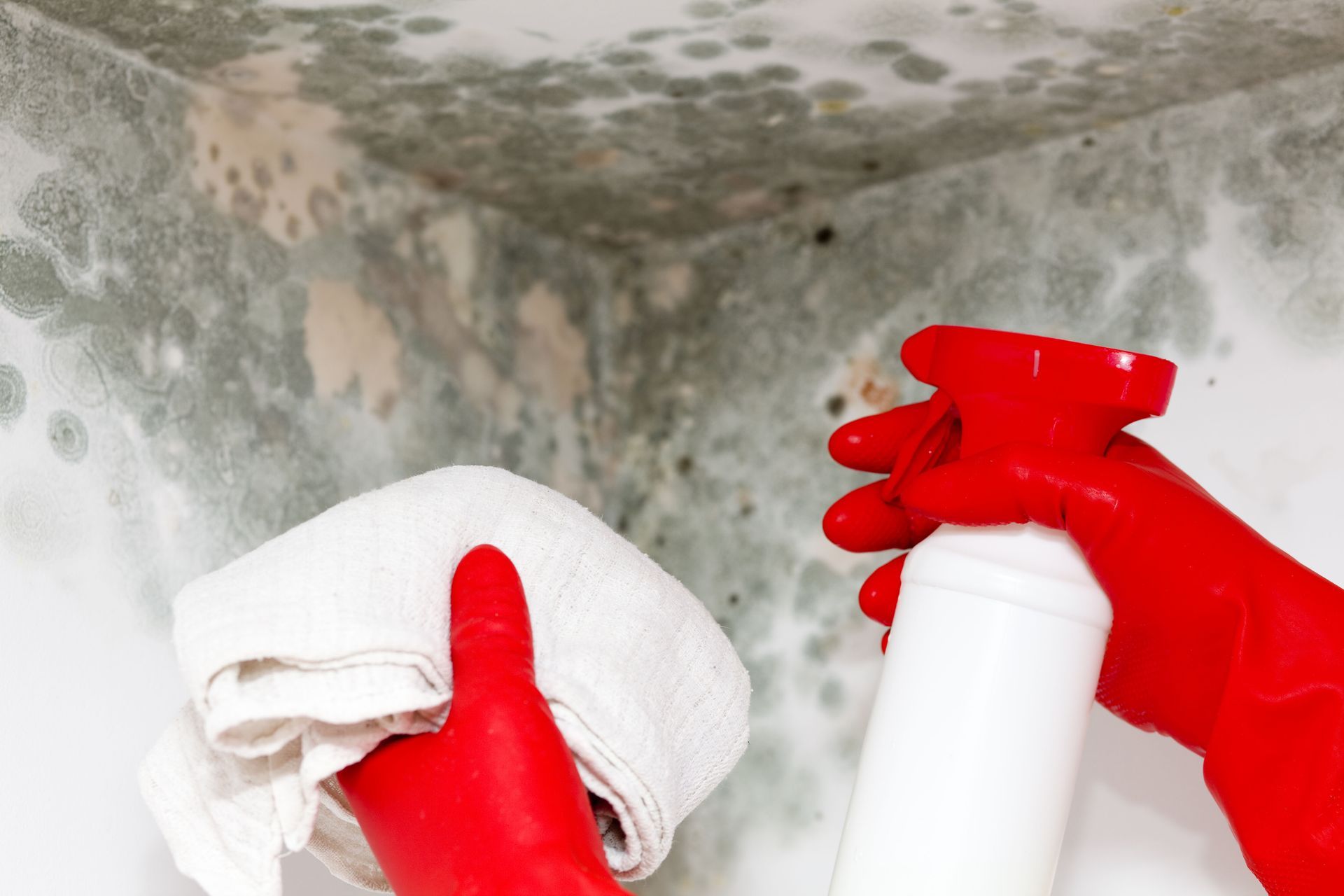
The scent of mold and mildew is unmistakable and often serves as a signal for water damage in confined spaces. This odor indicates that mold spores, which thrive in moist conditions, are present and multiplying. Mold can cause allergic reactions, respiratory issues, and other health problems when ingested or inhaled. It's critical to contact professionals for mold testing and remediation upon detecting these scents. Proactive management not only preserves the air quality but also protects the structural integrity of your home.
3. Increased Utility Bills
Unexpected Spike in Water Usage
An unexpected spike in water usage without a corresponding increase in activity usually signals a hidden leak. Leaks can occur in various areas, like your plumbing system, water heater, or external water management systems. These unnoticed leaks can significantly inflate your utility bills while causing water damage elsewhere on the property. Often, these problems are silent, only becoming apparent when homeowners inspect their bills. Early detection through regular bill monitoring can safeguard your finances and prevent further water-related issues.
Higher Heating Costs Due to Humidity
Increased humidity resulting from water damage might elevate your heating costs due to the added moisture in the air. High humidity levels often force HVAC systems to work harder, consuming more energy to maintain optimal temperature conditions. This strain not only raises bills but might also decrease the lifespan of your appliances. Implementing dehumidifiers and addressing the sources of moisture can mitigate these expenses. Maintaining optimal indoor humidity levels ensures energy efficiency and extends the health of your heating systems.
Impact on Gas or Electric Bills
Water damage, particularly involving hot water leaks or increased humidity, can cause a rise in gas or electric bills. Water leaks may cause the continuous operation of heaters or pumps, leading to heightened energy consumption. Additionally, maintaining a warmer environment to combat cold, damp conditions might also contribute to increased costs. Identifying and repairing leaks and improving thermal regulation can prevent unnecessary utility expenses. A practical, energy-conscious home safeguards not only resources but also your pocketbook.
4. Structural Damage
Weakened Foundations
Water damage can significantly weaken foundations by eroding structural materials and shifting soil. This structural damage impacts the overall stability and safety of the building. Weakened foundations may result from persistent leaks, poor drainage, or even flooding. Addressing these issues requires immediate intervention from structural engineers or local water restoration experts. Ensuring proper water management systems and regular inspections with local water restoration services is vital in safeguarding your home from foundational degradation.
Cracks in Walls or Ceilings
Cracks in walls or ceilings often indicate underlying structural issues due to water damage. As water seeps into structural components, materials like drywall expand or contract, forming cracks. While small cracks may appear cosmetic, larger or expanding ones signify considerable damage requiring immediate attention. According to Rubyhome.com, about one in 60 insured homes makes a claim for water or freezing damage each year. Timely assessments can prevent these issues from escalating into costly structural repairs.
5. Mold Growth
Black Spots on Walls or Ceilings
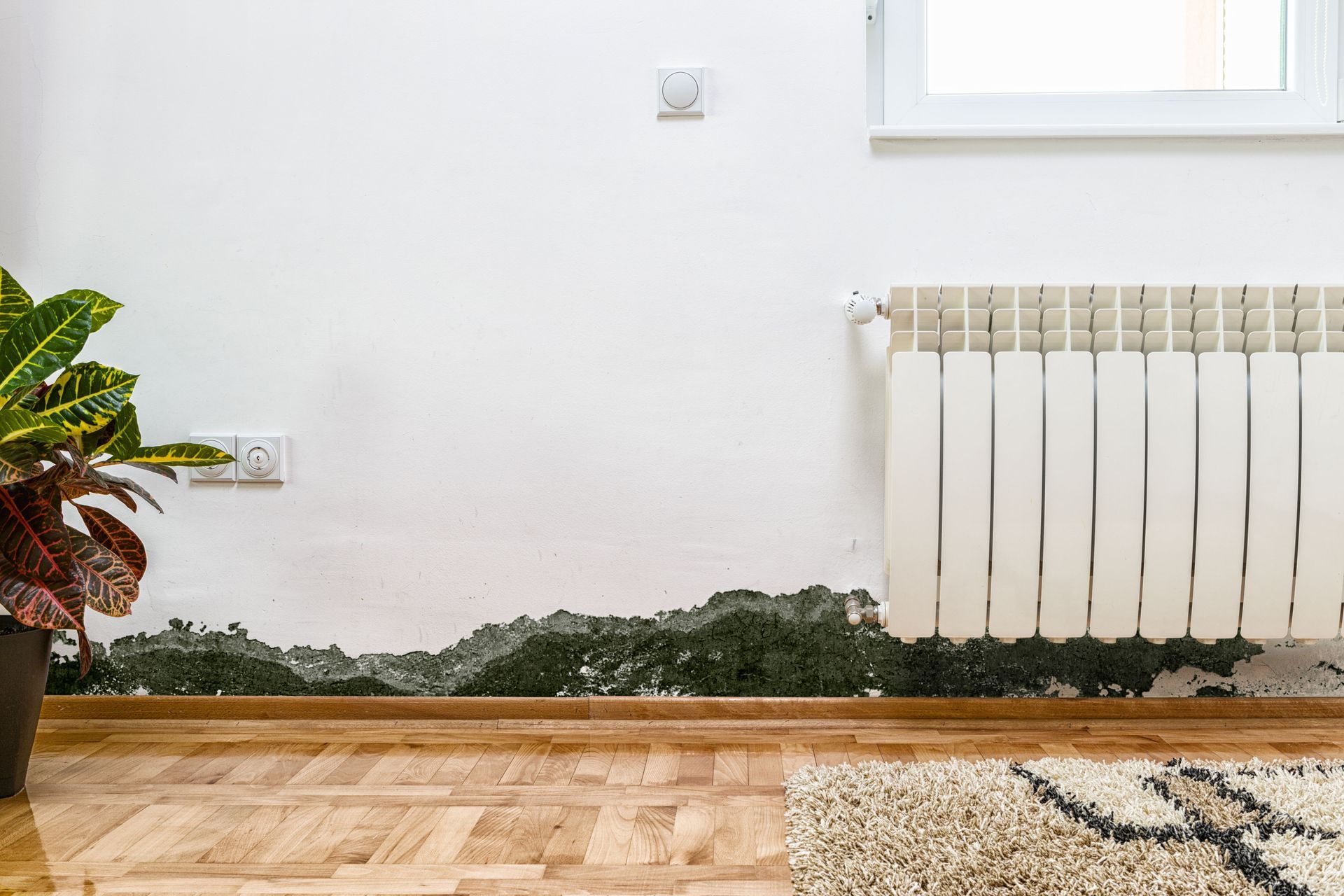
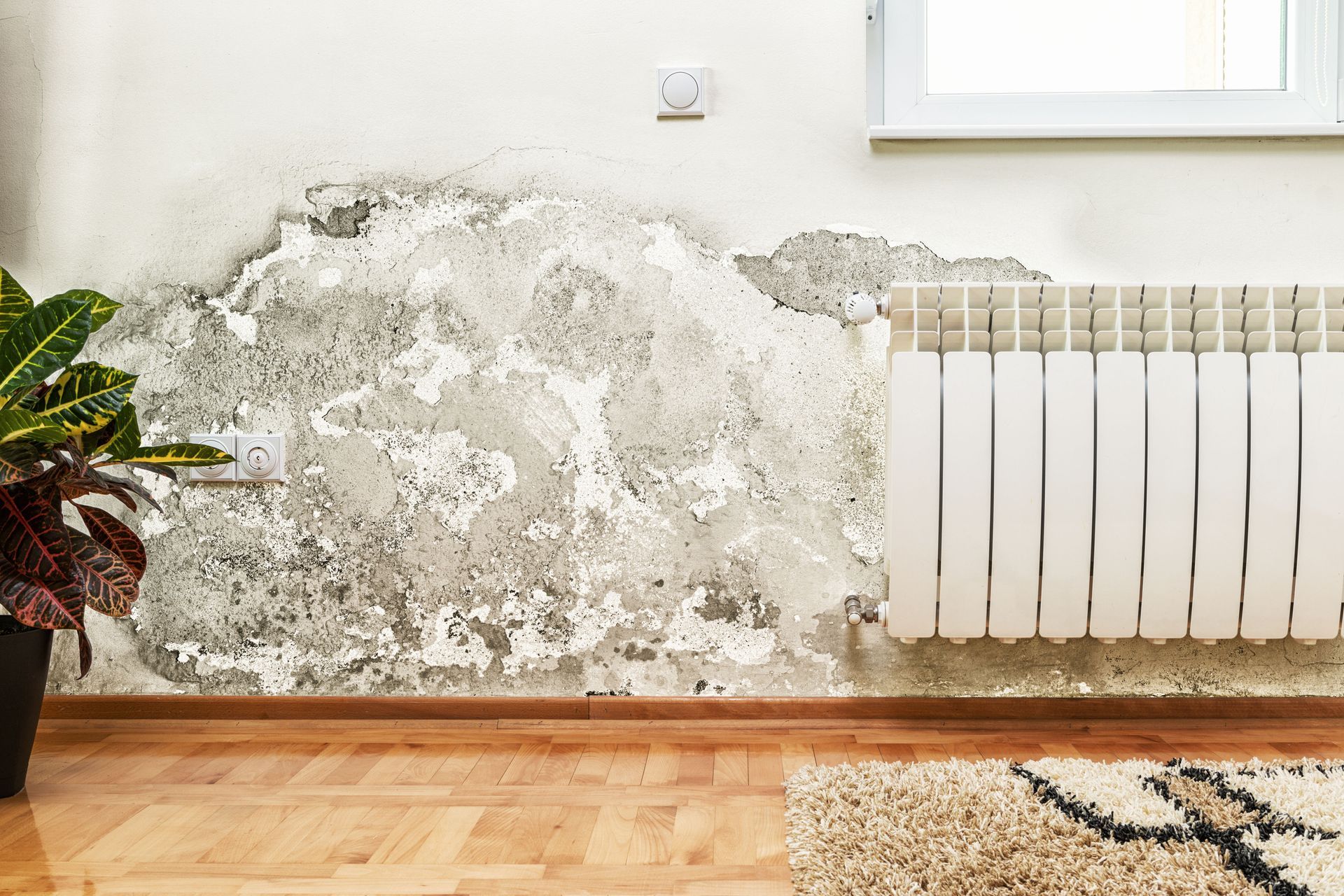
Black spots on walls or ceilings are clear indicators of mold growth, the result of excessive moisture. Mold colonies rapidly expand in conditions where water damage is prevalent, spreading beyond visible areas. Apart from the aesthetic detraction, mold compromises indoor air quality and presents health risks. Identifying and rectifying the moisture source is vital before addressing mold remediation. Ensuring proper ventilation, dehumidification, and cleanliness discourages mold formation and proliferation.
Health Issues Such as Allergies
Water-induced mold growth can exacerbate or lead to respiratory issues and allergies in occupants. Mold spores release allergens, irritants, and even toxins that affect sensitive individuals or those with pre-existing health conditions. Exposure can result in symptoms like sneezing, wheezing, skin irritation, and other allergic reactions. Professional mold testing and removal services ensure comprehensive eradication and safer living environments. Addressing mold promptly mitigates health risks, safeguarding occupant wellness and comfort.
Recognizing the signs of water damage early on is crucial for effective restoration and mitigating long-term damage. Contacting local water restoration experts can ensure professional assessment and remediation, helping restore safety and comfort in your living environment. Proactive measures not only protect your property but also safeguard your health and well-being. For more information, contact us at Eagle Restoration today.
Share On: