Why Water Damage Restoration is Crucial for Mold Prevention
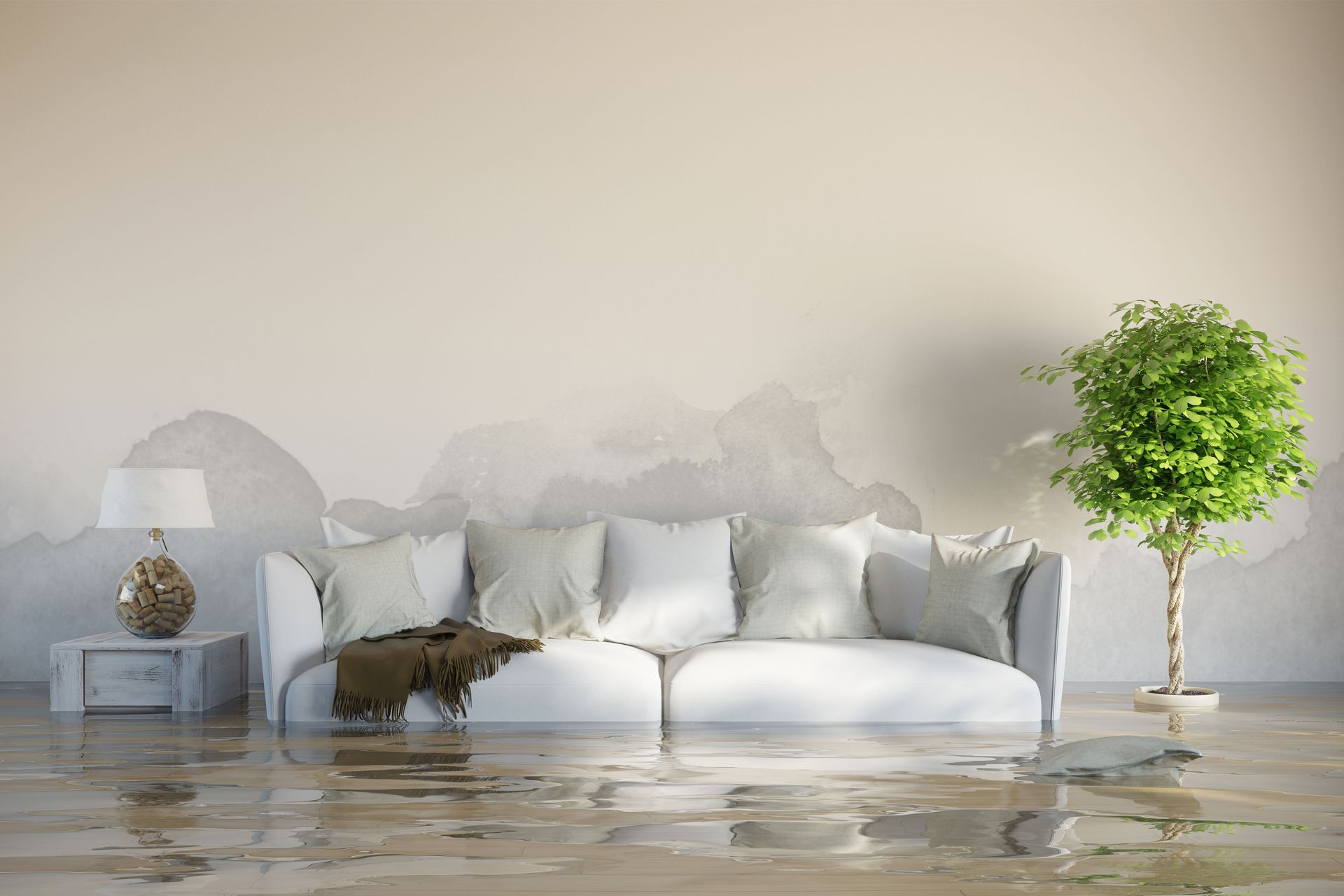
Water damage can happen when you least expect it. A small plumbing leak, a heavy storm, or an overflowing appliance may seem manageable at first, but the moisture left behind can quickly create ideal conditions for mold growth. What starts as a minor issue can become a much larger problem if the affected areas are not properly dried and restored.
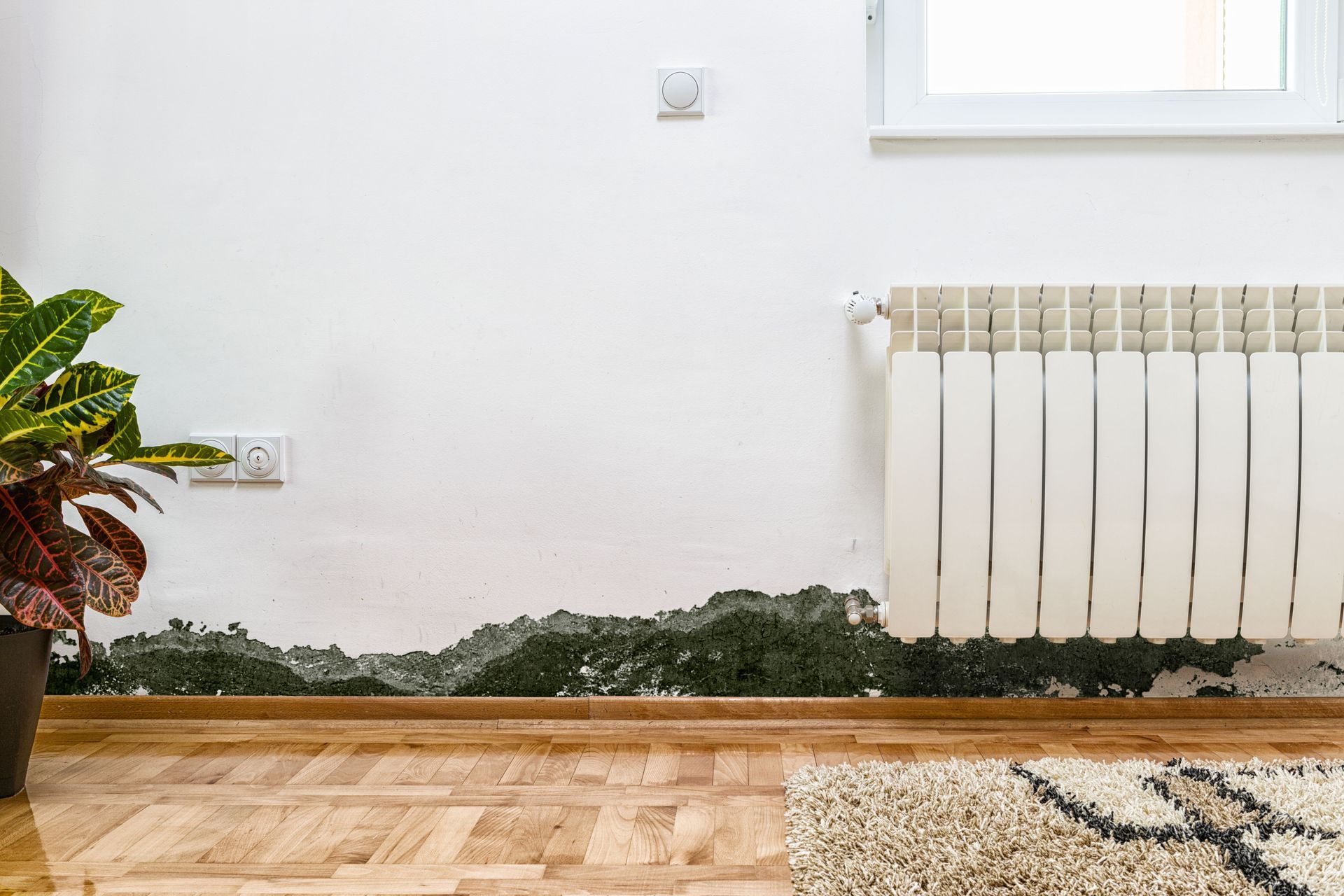
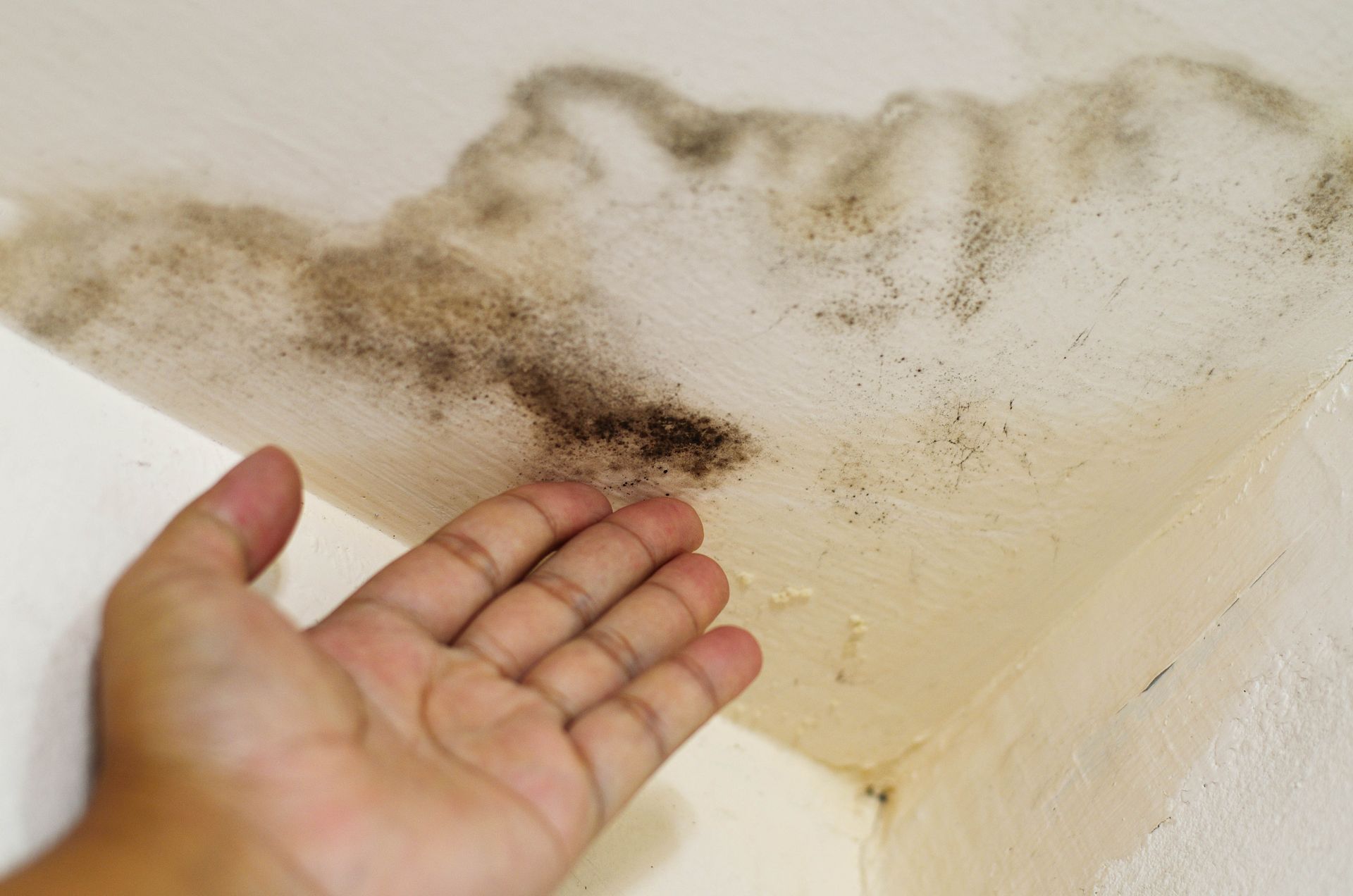
Mold thrives in damp environments, making water damage one of the leading causes of indoor mold infestations. Once mold begins to grow, it can spread rapidly through walls, flooring, ceilings, and other building materials. This is why many property owners turn to professional water restoration companies to address moisture issues before they develop into costly remediation projects.
Understanding the connection between water damage and mold prevention helps homeowners and business owners make informed decisions. Prompt restoration not only protects the structure of a property but also helps create a healthier indoor environment for everyone inside.
Identifying Water Damage Before It Spreads
Recognizing water damage early is one of the most effective ways to prevent mold growth. Water intrusion is not always obvious, and many property owners discover the problem only after stains, odors, or visible mold begin to appear. By that point, moisture may have already spread into hidden areas behind walls or beneath flooring.
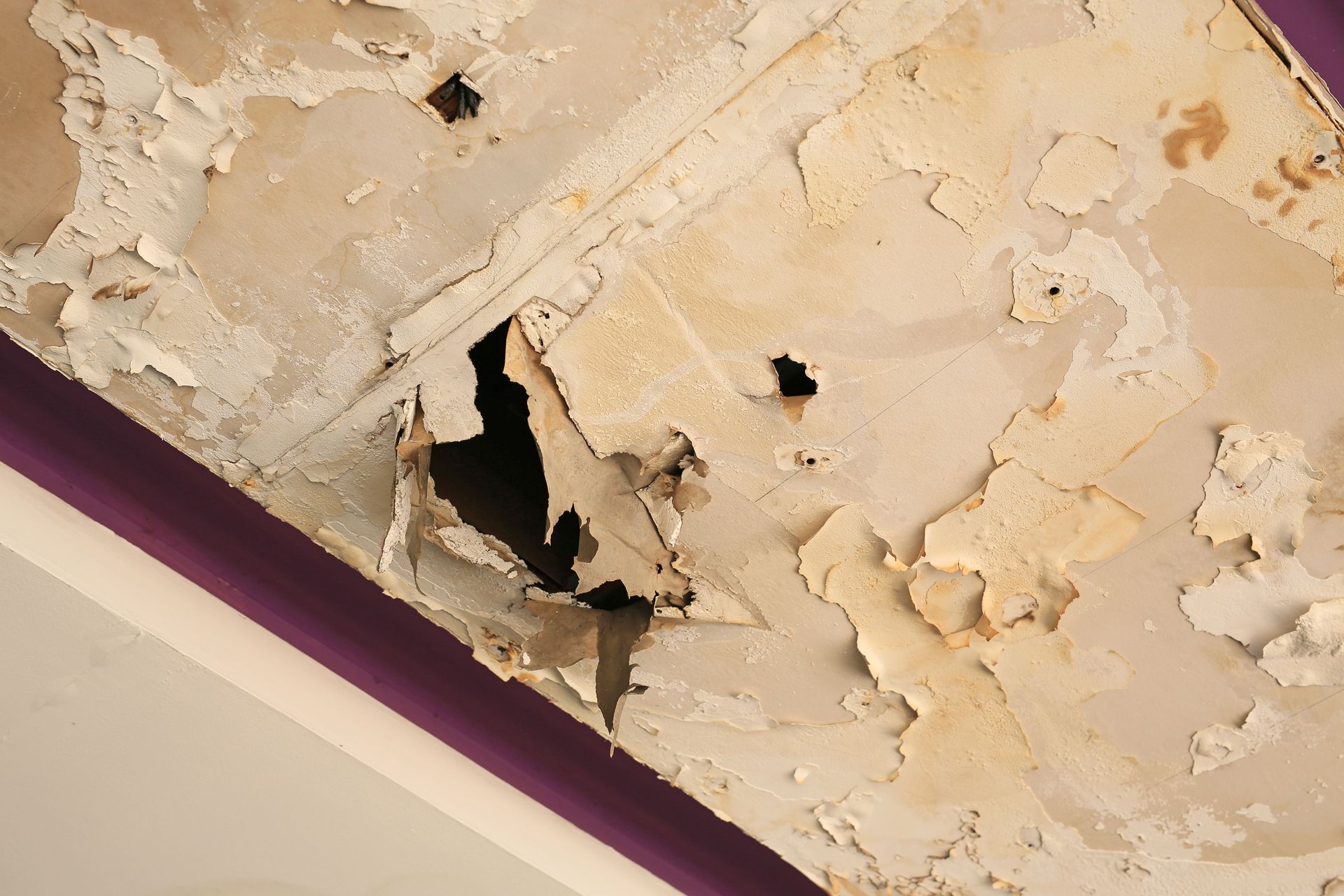
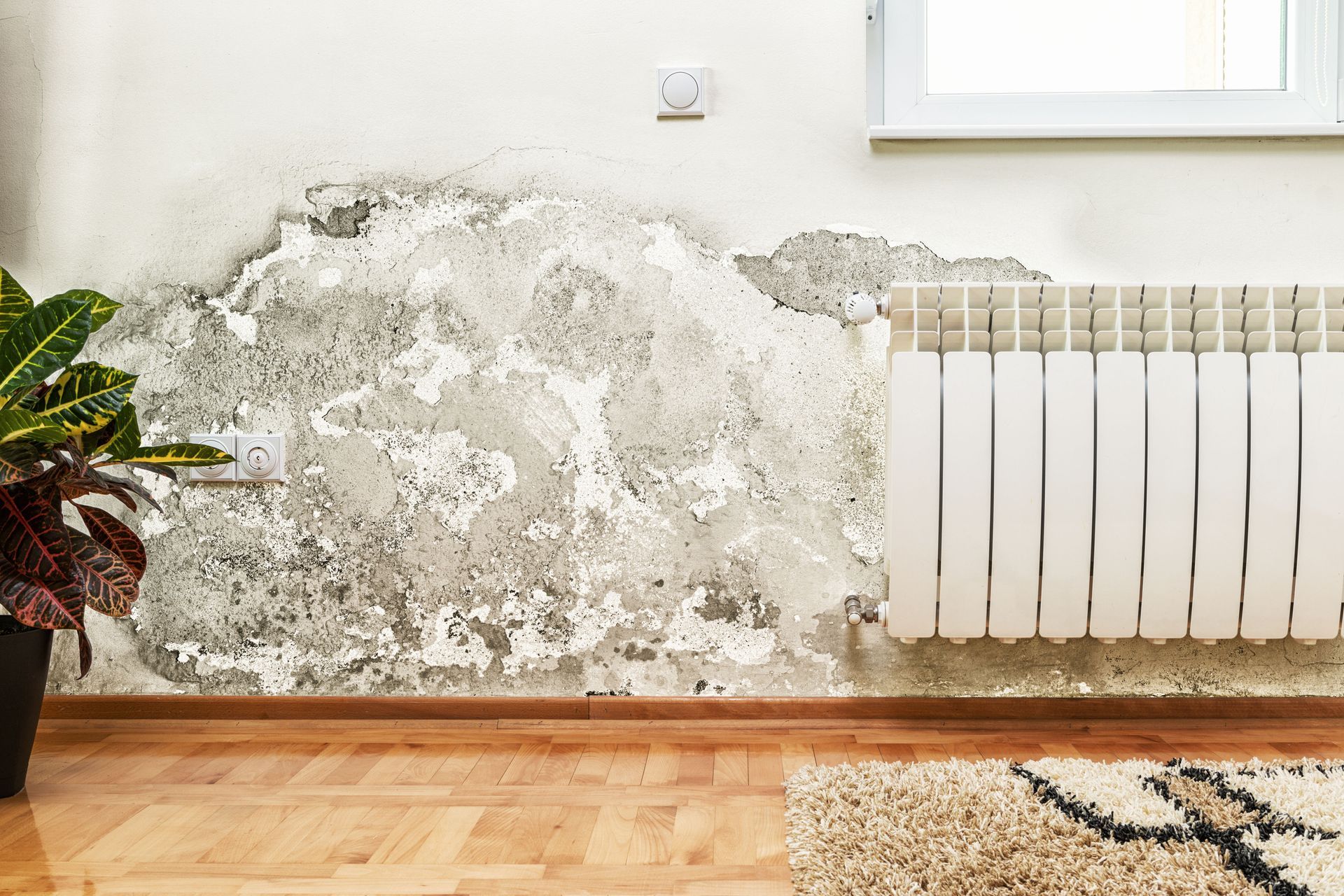
Common signs of water damage include discoloration on ceilings, peeling paint, warped flooring, and musty smells. These indicators often suggest that moisture has been present for an extended period. Addressing these warning signs quickly can significantly reduce the likelihood of mold developing.
Professional inspections are often valuable because they help locate moisture that may not be visible to the naked eye. Many water restoration companies use specialized equipment to detect hidden water and assess the extent of the damage before it worsens.
Understanding Moisture as a Mold Trigger
Moisture is the primary factor that allows mold to grow and spread. Mold spores naturally exist in indoor and outdoor environments, but they typically remain inactive until they encounter damp conditions. Once moisture is introduced, spores can begin colonizing surfaces within a relatively short period.
Areas affected by leaks, flooding, or excessive humidity are especially vulnerable. Materials such as drywall, wood, insulation, and carpeting can absorb water and retain moisture long after the initial incident occurs. Without proper drying, these materials become ideal environments for mold growth.
This is why rapid drying is a critical component of restoration. Experienced water restoration companies focus on removing excess moisture as quickly as possible, helping reduce the conditions that allow mold to thrive.
Preventing Mold Growth Through Rapid Drying
One of the most important steps in water damage restoration is thorough drying. Simply removing standing water is not enough. Moisture often remains trapped inside structural materials, creating hidden pockets where mold can develop.
Professional drying equipment helps accelerate the evaporation process and remove moisture from hard-to-reach areas. Industrial air movers, dehumidifiers, and moisture monitoring tools are commonly used to ensure affected spaces are dried completely. This comprehensive approach significantly lowers the risk of future mold issues.
Fast action also helps minimize secondary damage. The longer materials remain wet, the greater the chance of mold growth, structural deterioration, and expensive repairs. Partnering with qualified water restoration companies can help ensure the drying process is completed correctly from the beginning.
Addressing Hidden Moisture Behind Walls and Flooring
One of the challenges of water damage is that moisture often travels beyond the visible area. Water can seep behind drywall, underneath flooring, and into insulation, where it remains unnoticed for extended periods. These hidden areas frequently become breeding grounds for mold.
Even if surfaces appear dry, moisture trapped within building materials can continue to support mold growth. This is why professional moisture detection is such an important part of restoration. Advanced tools help identify areas that require additional drying or removal.
By locating and treating hidden moisture sources, restoration professionals help prevent recurring mold problems. Many water restoration companies emphasize thorough inspections because eliminating unseen moisture is just as important as addressing visible water damage.
Removing Damaged Materials Before Deteriorating
When certain materials become saturated, restoration may require their removal and replacement. Porous materials such as drywall, insulation, carpeting, and ceiling tiles often absorb significant amounts of water. In some cases, these materials cannot be fully restored and may continue harboring moisture.
Removing compromised materials helps eliminate potential mold habitats before colonies have a chance to develop. It also allows restoration professionals to inspect underlying structures and ensure no hidden moisture remains. Taking these steps early can prevent more extensive remediation efforts later.
According to Fixr, there are more than 100 recognized mold varieties, each differing in appearance, typical growth locations, potential health concerns, and remediation costs. Because mold can vary significantly, preventing its growth through timely restoration is often far more practical and cost-effective than addressing a widespread infestation after it occurs.
Protecting Indoor Air Quality Through Restoration
Water damage affects more than just building materials. Excess moisture can also influence indoor air quality, particularly when mold begins releasing spores into the air. Poor indoor air quality can create discomfort and contribute to respiratory concerns for building occupants.
When restoration professionals address water damage quickly, they help reduce the likelihood of mold-related contaminants circulating throughout the property. Proper drying, cleaning, and sanitization measures contribute to a healthier indoor environment and help restore occupant confidence.
This is especially important in homes with children, older adults, or individuals who may be more sensitive to airborne irritants. Water restoration companies often incorporate air quality considerations into their restoration plans to provide a more comprehensive solution.
Strengthening Structural Integrity Through Restoration
Water damage can gradually weaken a building's structural components if left untreated. Wood framing, subflooring, drywall, and support structures can deteriorate when exposed to prolonged moisture. Over time, this deterioration may compromise both safety and property value.
Timely restoration helps preserve structural integrity by addressing moisture before significant damage occurs. Drying affected materials and repairing damaged areas can prevent further deterioration and reduce the need for extensive reconstruction. This proactive approach often saves property owners considerable time and expense.
Beyond preventing mold, restoration helps maintain the long-term durability of a property. Many water restoration companies focus on both immediate recovery and long-term protection to help clients avoid recurring issues in the future.
Partnering With Experienced Restoration Professionals
Handling water damage properly requires more than basic cleanup. Effective restoration involves moisture detection, water extraction, structural drying, sanitization, and ongoing monitoring. Each step plays a role in reducing mold risks and protecting the property.
Professional restoration teams have the training, equipment, and expertise needed to manage these situations efficiently. Their experience allows them to identify potential problems that may otherwise go unnoticed and implement solutions before mold becomes a larger concern.
Working with trusted water restoration companies also provides peace of mind. Property owners can feel confident knowing the restoration process is being handled thoroughly and according to industry standards.
Water damage and mold growth are closely connected, making timely restoration one of the most effective strategies for mold prevention. Even a small amount of moisture can create conditions that allow mold to develop, spread, and cause damage throughout a property. Addressing water issues quickly helps protect structures, indoor air quality, and overall occupant well-being.
From identifying hidden moisture to removing damaged materials and thoroughly drying affected areas, every step of the restoration process plays an important role in preventing mold. Professional intervention helps ensure no moisture is left behind and reduces the likelihood of future problems. When water damage occurs, taking immediate action can make all the difference. For professional assistance with restoring your property and helping prevent mold-related issues, contact Eagle Restoration.
Share On: