
What to Do When Your Basement Floods During a Storm
There is nothing quite as sinking as the feeling of walking down your stairs after a heavy storm, only to find your basement submerged in water. Whether it is caused by a failing sump pump, poor yard drainage, or a severe Texas downpour overflowing into your window wells, basement flooding is a homeowner’s worst nightmare. Unfortunately, you are not alone in this crisis. According to This Old House, water damage impacts roughly 14,000 Americans each day.
When this disaster strikes, acting quickly and methodically is the only way to save your property from long-term structural decay and hazardous mold growth. While it may be tempting to grab a mop and tackle the mess on your own, storm floods require specialized attention. To protect your home and your family, you will ultimately need professional water restoration services to ensure the space is thoroughly dried, sanitized, and structurally sound. Here is exactly what you need to do when your basement floods during a storm.
1. Prioritize Safety Before Entering
When dealing with a flooded basement, your immediate instinct might be to rush downstairs and save your belongings, but this can be incredibly dangerous. Floodwater is deeply unpredictable and introduces several life-threatening hazards into your home environment, especially when the water rises quickly. The most significant danger is electricity. Before you even think about stepping into the water, you must shut off the power to your basement at the main breaker panel. If the breaker is located in the basement, do not attempt to reach it yourself; call an electrician or your local utility company. Additionally, storm runoff is rarely clean. It often mixes with sewage, lawn chemicals, and ground bacteria, making it highly toxic. Because of these severe biohazards, you should always wear protective gear like rubber boots and gloves if you must enter the area briefly. Reputable water restoration services come equipped with personal protective equipment (PPE) to handle these dangerous environments safely.
2. Stop the Water at the Source
If it is safe to enter the basement without risking electrocution, your next goal is to figure out where the water is coming from and stop it if at all possible. During a heavy storm, water might be pouring in through a broken basement window, a cracked foundation wall, or an overwhelmed sump pump pit. If your sump pump has failed due to a power outage, setting up a backup battery or a gas-powered generator can get it running again to actively pump water out of the space. If water is rushing in from outside, you might need to place temporary sandbags around window wells or direct your gutter downspouts further away from the foundation. While you may not be able to completely stop Mother Nature, slowing the influx of water gives you a fighting chance. By minimizing the amount of water entering your home, you will make the job much easier for the professionals you hire to clean up the aftermath.
3. Document the Damage for Insurance
Before you start moving items around or attempting any cleanup, take out your smartphone and document everything. Your homeowners' insurance company will need comprehensive proof of the destruction to process your claim accurately. Take clear, well-lit photos and videos of the standing water, focusing on the high-water mark on your walls, damaged furniture, ruined electronics, and soaked drywall. Do not throw anything away—even permanently ruined items—until an adjuster has seen them or you have explicitly documented their condition. Navigating insurance claims can be one of the most frustrating parts of flood recovery. This is why working with experienced water restoration services is so beneficial. We have an in-house certified insurance adjuster who can help you document the loss, submit the necessary paperwork, and negotiate directly with your insurance provider, taking the stress off your shoulders and getting your claim started fast.
4. Relocate Valuables from the Area
Once you have safely turned off the electricity and documented the scene for your insurance company, you can begin removing items from the water to prevent secondary damage. Focus entirely on high-value, easy-to-move items like important documents, small electronics, and sentimental keepsakes. If you have upholstered furniture or wooden tables sitting in the water, wrap their legs in aluminum foil or lift them onto blocks to prevent wood stains and dyes from bleeding into your carpets. Leave the heavy lifting to the professionals. Saturated items are incredibly heavy, and moving large, waterlogged couches or soaked rolled-up rugs on your own can easily lead to personal injury. Professional restoration teams have the manpower, training, and specialized equipment required to safely extract heavy saturated belongings and accurately determine what can be salvaged versus what must be thrown away.
5. Extract the Standing Water Quickly
The longer water sits in your basement, the more damage it causes to your foundation, framing, drywall, and flooring. In our experience, mold can begin to colonize within 24 to 48 hours of initial moisture exposure, making rapid water removal your top priority. While a standard wet/dry shop vacuum might seem like a logical tool, it is wholly insufficient for a flooded basement, and standard household towels will barely make a dent in storm intrusion. You need industrial-strength extraction. This is where professional intervention becomes absolutely necessary. Expert water restoration services utilize truck-mounted extraction units and heavy-duty submersible pumps that can remove gallons of water in a fraction of the time it would take a homeowner. This rapid extraction prevents the water from seeping deeper into the concrete slab and creeping up the porous drywall, saving you thousands of dollars in secondary structural repairs down the line.
6. Dry the Affected Structural Materials
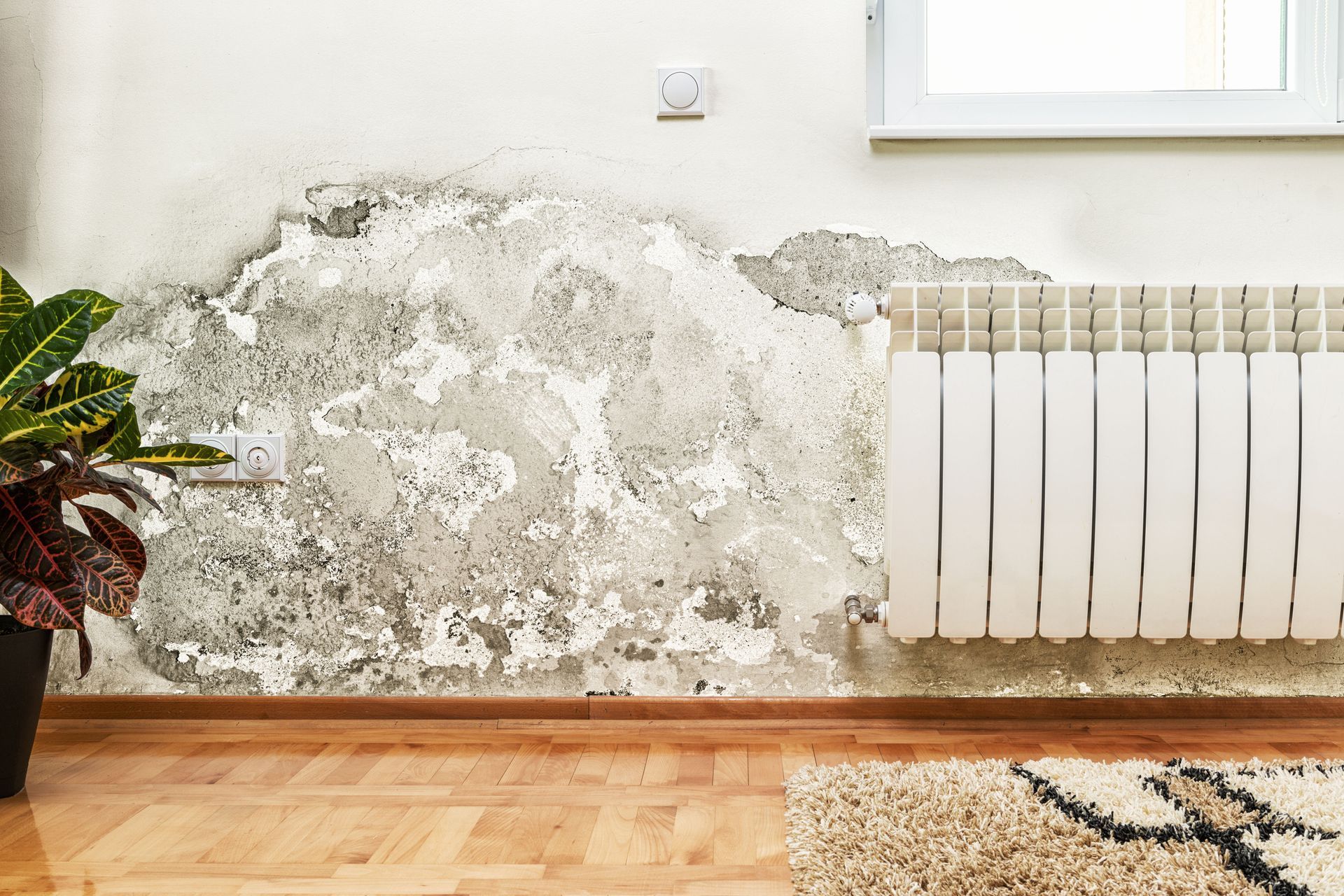
Removing the standing water is only half the battle; eliminating the hidden moisture is where the real work begins. Even if your basement looks and feels dry to the touch, moisture is likely trapped inside the wall cavities, beneath the subflooring, and inside the insulation. If this hidden moisture is ignored, it will inevitably lead to structural rot, foul musty odors, and dangerous black mold. To thoroughly dry the environment, you need precise psychrometric science. High-quality water restoration services will set up a strategic perimeter of commercial-grade air movers to circulate air at high velocities, paired with low-grain refrigerant (LGR) dehumidifiers to pull evaporated moisture out of the air. Technicians will also use specialized thermal imaging cameras and moisture meters to track the drying progress over several days, guaranteeing that the structural skeleton of your home is completely dry and safe.
7. Hire Professional Water Restoration Services
Dealing with a flooded basement is not a DIY weekend project. It requires an immediate, professional response to mitigate long-term damage, secure your health, and restore your peace of mind. If you are located in Canton, TX, or anywhere across the DFW and East DFW areas, our team is your reliable local partner. We have been in business since 2011, providing top-tier, family-owned restoration and rebuilding solutions. We are available 24 hours a day, 7 days a week, because we know that storms do not adhere to normal business hours. Whether you need immediate water extraction, heavy-duty structural drying, or complete remodeling services to put your basement back together, we can handle it all from start to finish. When you trust our water restoration services, you are choosing a team with state-of-the-art equipment, manufacturer warranties, and a commitment to getting you back in your home ASAP.
A flooded basement is undoubtedly an overwhelming experience, but responding with speed, safety, and the right professional help can make all the difference. By prioritizing your personal safety, stopping the source as quickly as possible, properly documenting the scene for your insurance claim, and acting fast to remove the water, you can minimize the devastation and start the recovery process. Do not let storm water dictate the safety and comfort of your home. When disaster strikes, contact Eagle Restoration immediately at (469) 599-7155. Our rapid-response
water restoration services are available around the clock to extract the water, dry your property, and rebuild your space better than before. Let our family help yours navigate the storm and restore your home.

Share On: