When You Should Call a Water Restoration Company
Water damage can strike unexpectedly, causing significant emotional stress and physical harm to your residential or commercial property. Knowing when to call a water restoration company can mitigate severe long-term complications, prevent structural rot, and protect your indoor environment from escalating contamination. While many property owners initially attempt to manage pooling water using domestic towels, wet vacuums, or box fans, these superficial solutions frequently fail to tackle the moisture trapped inside subflooring, drywall, and structural framing. Recognizing early warning indicators is crucial to safeguarding your building before minor leaks snowball into catastrophic losses.
Professional intervention is often unavoidable due to the deceptive speed with which unmitigated moisture travels throughout porous construction materials. Water follows the path of least resistance, flowing through floorboards, penetrating insulation, and compromising load-bearing walls within hours. Licensed specialists possess the heavy-duty extraction machinery, moisture detection meters, and technical expertise required to halt this destructive process immediately. By understanding the common sources of intrusion, physical warning signs, and severe health hazards associated with prolonged dampness, you can make informed decisions that preserve your building's integrity and value.
Identifying the Primary Sources of Moisture
Plumbing failures represent one of the most common catalysts for catastrophic interior flooding across modern buildings. A supply line connected to a washing machine, dishwasher, or toilet can rupture without warning, discharging hundreds of gallons of pressurized water across living areas in a matter of minutes. In colder climates, freezing winter temperatures regularly burst internal pipes, releasing immense volumes of water into enclosed ceilings and crawlspaces. Even small, pinhole leaks along copper or PVC lines can silently drip undetected for months, gradually decaying floor joists and creating hidden cavities of fungal decay before breaking through finishes.
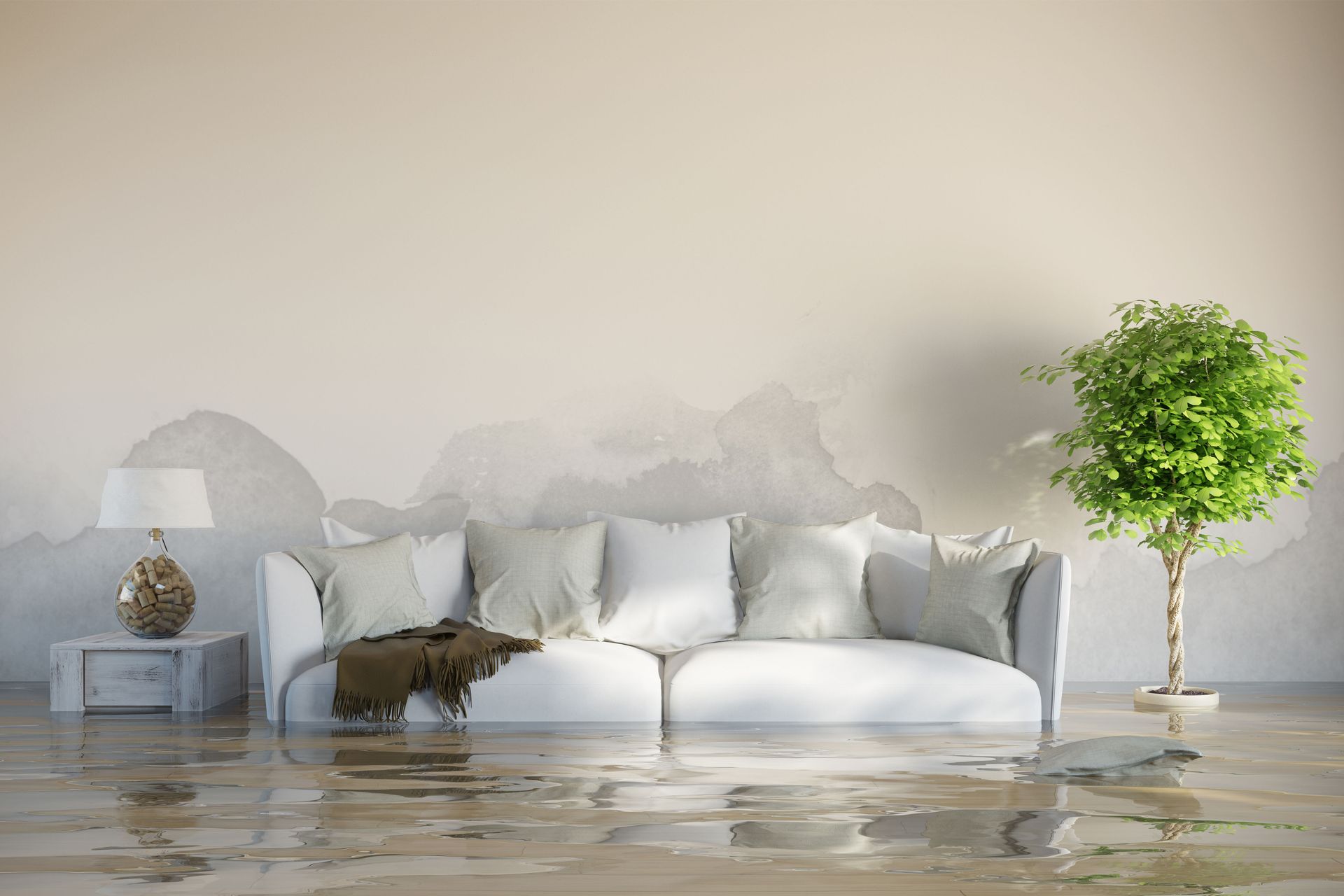
Severe weather events and external drainage failures represent equally destructive threats that overwhelm standard residential barriers. Intense thunderstorms, flash floods, and roof punctures allow torrential rainwater to penetrate attics and cascade down interior walls. Furthermore, hazardous sewage backups introduce biological waste and dangerous pathogens into lower levels, creating immediate biohazards that require certified handling. Whenever raw sewage, overland floodwaters, or compromised plumbing fixtures breach your threshold, enlisting a certified water restoration company ensures that unsanitary water is extracted safely according to strict environmental health protocols.
Recognizing the Clear Signs of Structural Intrusion
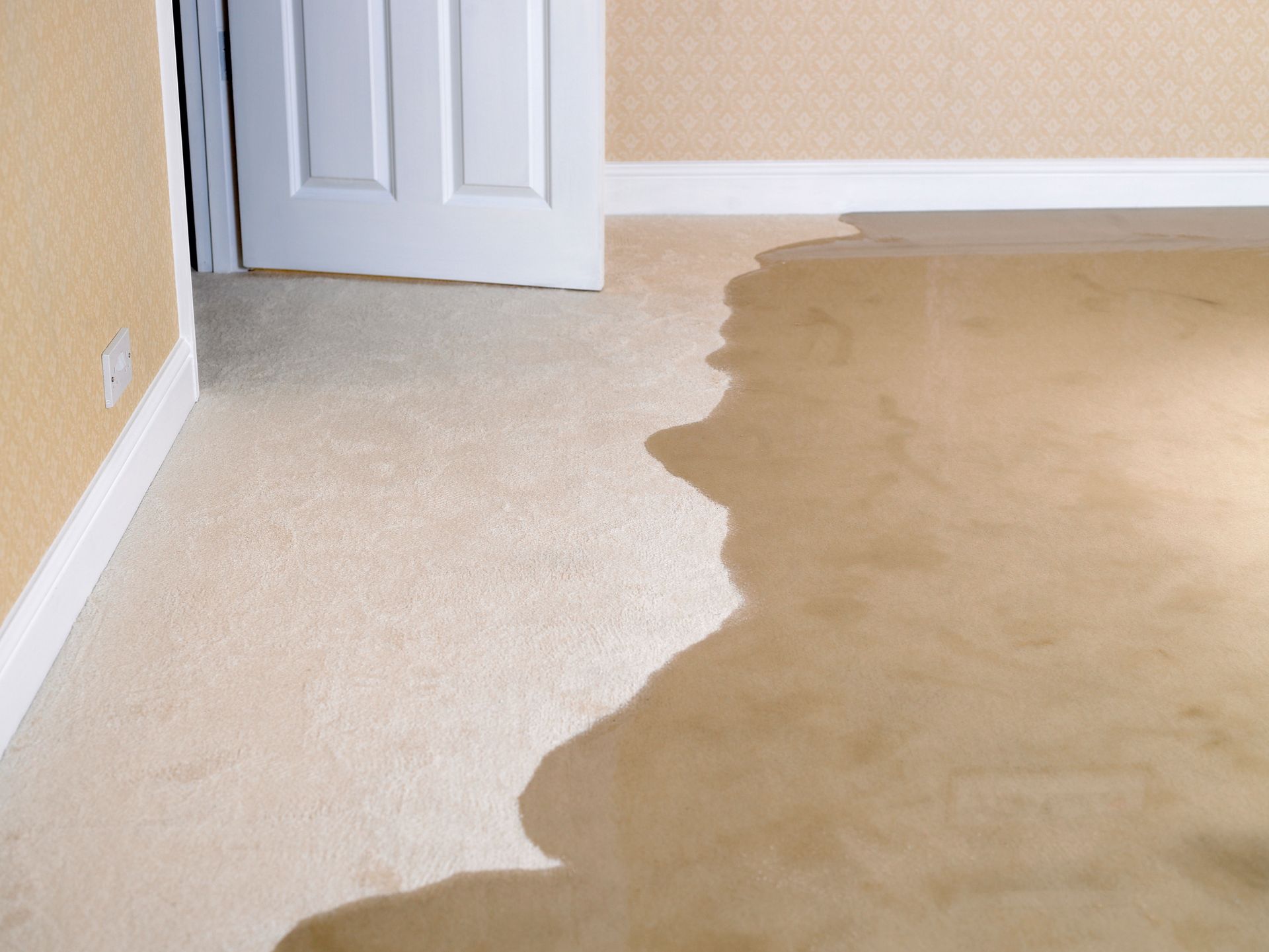
Visible pools of standing water on hardwoods, carpets, or concrete slabs serve as the most glaring indication that emergency mitigation is necessary. While surface water may appear straightforward to mop up, standard floor coverings quickly absorb moisture, funneling liquid deep into baseboards, underlayment, and adjacent wall cavities. Over time, saturated structural framing loses its load-bearing strength, leading to sagging floorboards, bubbled drywall, warped doorframes, and crumbling plaster. Ignoring standing liquid inevitably allows hidden water pockets to fester, compounding structural decay and dramatically increasing eventual rehabilitation expenses.
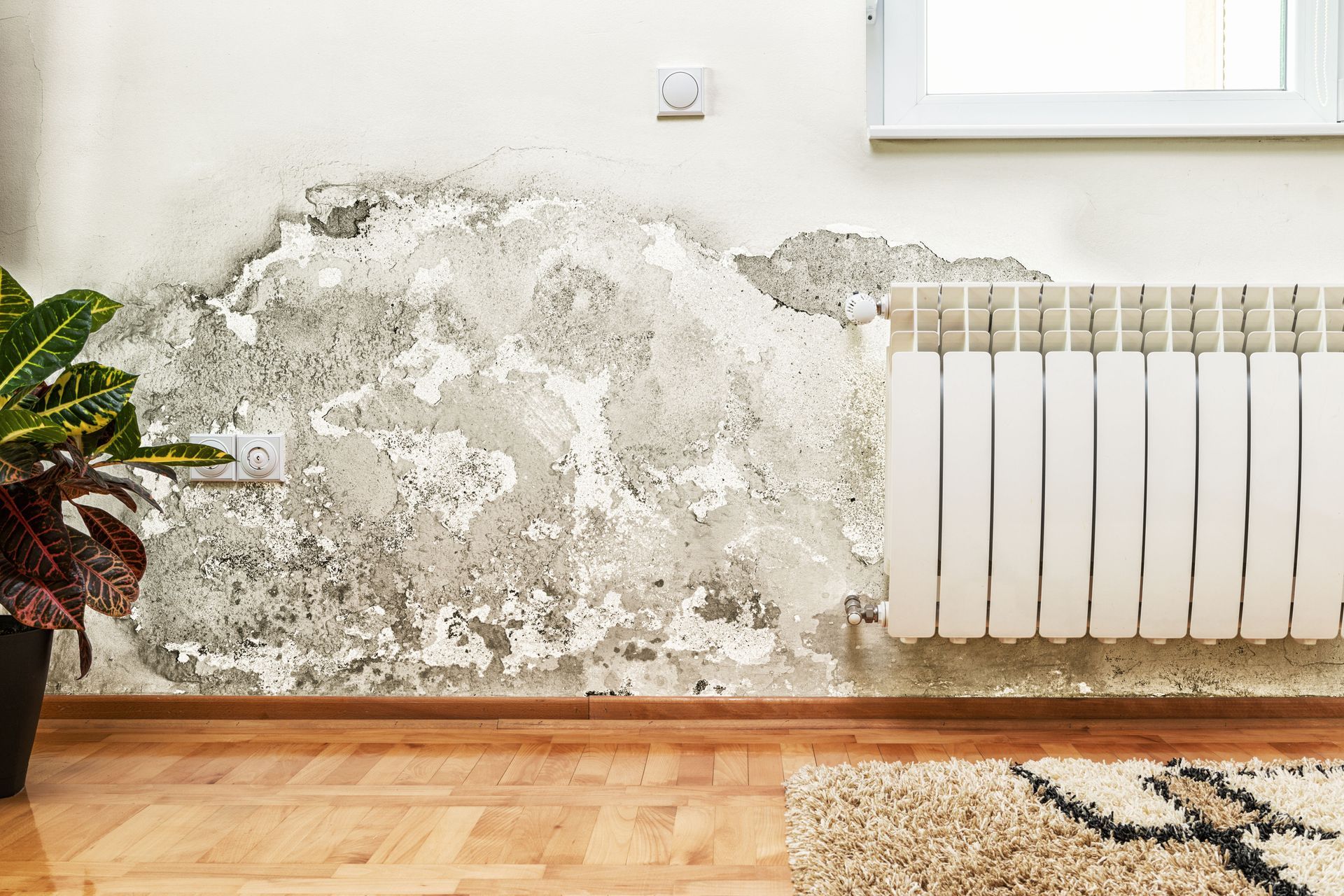
Persistent dampness, peeling paint, and musty odors are equally critical indicators that moisture is actively compromising your living space. According to Fixr, mold colonies can begin developing indoors when humidity levels rise above 45%. This microscopic fungal growth can spread throughout an enclosed indoor environment within twenty-four to forty-eight hours of water exposure, releasing airborne spores that cause allergies and severe respiratory problems. If you detect damp patches, peeling wallpaper, or a pervasive earthy stench, immediate inspection by an experienced water restoration company is essential to pinpoint hidden moisture sources before toxic spores spread through your HVAC ducts.
Evaluating the Costly Risks of Delayed Mitigation
Failing to address water intrusion immediately introduces acute health risks to everyone living or working inside the affected property. Damp, waterlogged materials create optimal incubators for harmful bacterial colonies, dust mites, and toxic black mold species. Inhabitants exposed to ongoing dampness frequently suffer from chronic sinus irritation, persistent asthma flare-ups, and severe headaches. For individuals with compromised immune systems, elderly relatives, and young children, prolonged exposure to water-damaged building materials can lead to dangerous systemic infections that require intensive medical intervention.
Beyond severe physical wellness risks, procrastination inevitably sparks catastrophic property devaluation and skyrocketing reconstruction costs. Water that infiltrates electrical conduit, breaker panels, or baseboard outlets creates severe fire risks and hazardous short circuits that threaten the entire facility. Simultaneously, unaddressed rot compromises the foundation, permanently deflating the resale value of the home and creating disclosures that repel potential future buyers. The overall expense required to remediate a flooded structure multiplies exponentially for every day action is postponed, proving that prompt, decisive professional intervention remains the most financially prudent choice.
Understanding the Steps of Professional Assessment
When technicians arrive on site, their primary objective is to conduct an exhaustive diagnostic inspection to map the full perimeter of the damage. Certified professionals never rely solely on visual inspection; instead, they employ non-invasive thermal imaging cameras and sensitive pinless moisture meters to detect trapped liquid behind tile, plaster, and subfloors. Identifying the precise point of entry allows the mitigation team to stop active moisture flow before drafting a tailored drying strategy for your building’s unique architectural layout and construction materials.
A vital aspect of this preliminary evaluation involves categorizing the water contamination level and structural saturation class. Restoration technicians classify water intrusion into three distinct categories: clean water from broken supply lines, gray water from dishwashers containing mild contaminants, and black water containing hazardous sewage or floodwaters. Establishing the correct contamination category determines the necessary safety gear, sanitation agents, and containment procedures required to execute remediation safely. Transparent documentation during this initial phase also supplies your property insurance carrier with the definitive empirical evidence needed to process claims without frustrating disputes.
Navigating the Stages of Complete Remediation
The practical restoration journey commences with intensive industrial water extraction to eliminate the vast bulk of standing liquid. Truck-mounted vacuum units and submersible extraction pumps pull thousands of gallons from carpeting, rugs, and concrete surfaces within hours, significantly accelerating drying trajectories. Once bulk liquid is cleared, technicians position strategically configured commercial air movers and industrial desiccant dehumidifiers throughout the perimeter. This specialized equipment creates high-velocity airflow that pulls deep-seated moisture out of structural studs and converts it into vapor for rapid atmospheric removal.
The final operational stage centers on comprehensive sanitization, odor neutralization, and structural reconstruction. Skilled technicians apply hospital-grade antimicrobial solutions to eradicate lingering microbes, bacteria, and fungal spores across all affected surfaces. Specialized hydroxyl generators or air scrubbers equipped with high-efficiency particulate air filters run continuously to purge stale, musty odors from indoor air currents. Technicians meticulously evaluate all impacted contents, restoring salvageable heirlooms while safely disposing of non-restorable porous elements, thereby returning your living space to a pristine, safe, and fully dry condition.
Selecting the Ideal Remediation Partner
Selecting the appropriate service provider requires careful verification of professional credentials, industry licensing, and certified training standards. Reputable emergency restoration firms maintain active certifications through the Institute of Inspection, Cleaning and Restoration Certification, demonstrating adherence to rigorous international cleaning standards. Furthermore, premier contractors must possess robust commercial general liability insurance and dedicated workers' compensation coverage to protect property owners throughout the job. Choosing an accredited water restoration company ensures that every technician entering your home possesses verified technical competence and ethical accountability.
Availability and rapid response capabilities represent equally pivotal criteria when choosing an emergency remediation contractor. Water migration never pauses for standard business hours, making around-the-clock emergency dispatch an absolute necessity during unforeseen pipe bursts or storm events. Trusted contractors provide rapid on-site arrival times, transparent estimates, and seamless direct-billing coordination with major insurance providers. By partnering with an experienced water restoration company that offers full-spectrum services from initial water extraction through final structural repairs, you eliminate unnecessary delays and enjoy seamless, stress-free restoration oversight from start to finish.
Water emergencies demand swift, decisive, and knowledgeable action to safeguard the health of your family and preserve your hard-earned property equity. Allowing hidden moisture to linger behind walls inevitably leads to invasive mold infestations, compromised structural integrity, and thousands of dollars in preventable secondary damage. Whenever you face an overwhelming plumbing burst, sewage backup, or major storm intrusion, trusting an experienced water restoration company guarantees that your property is thoroughly sanitized, dried, and restored to safety. For immediate emergency mitigation, advanced moisture detection, and trusted 24/7 service, contact the dedicated experts at Eagle Restoration to protect your home today.
Share On: